
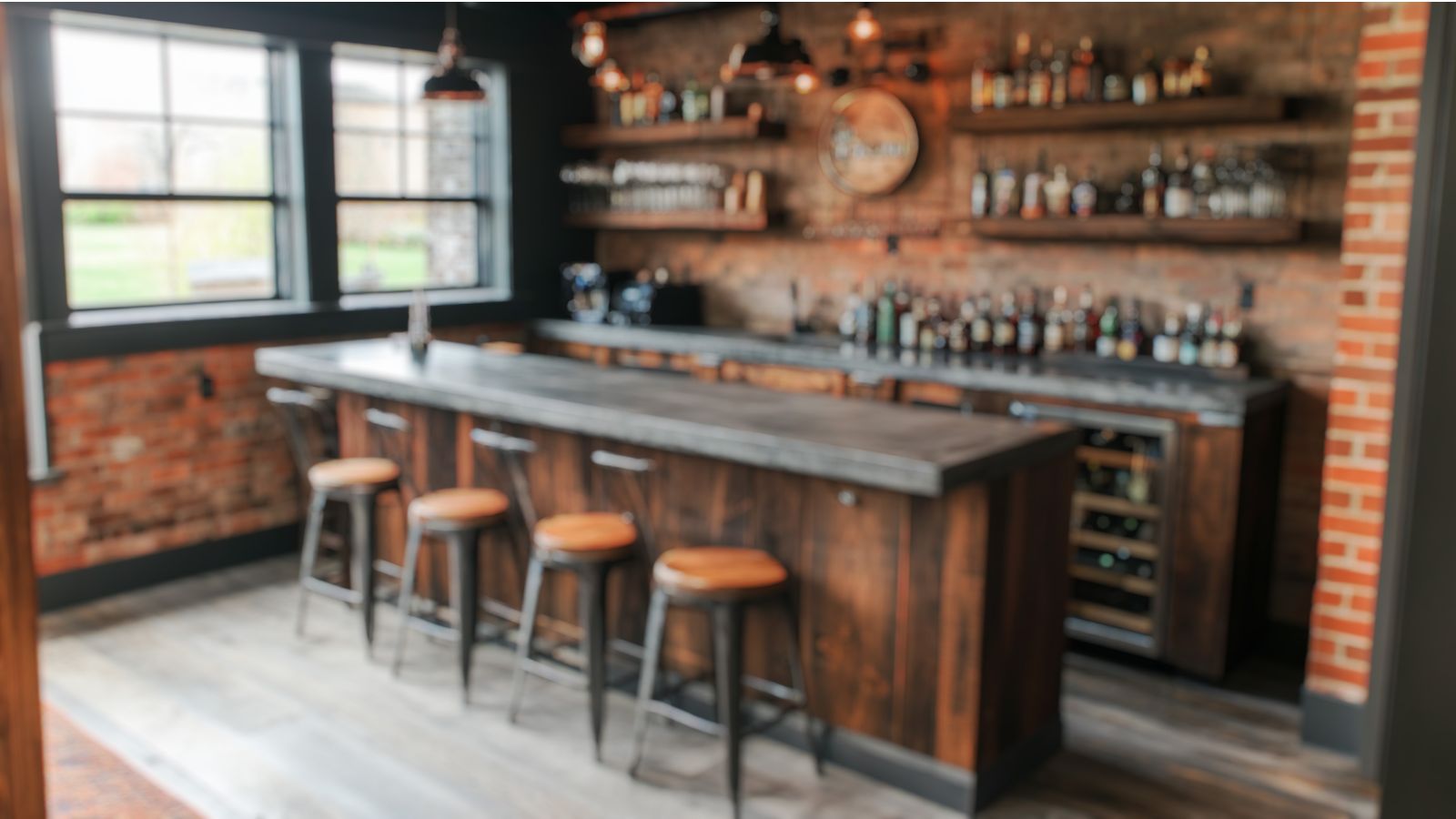
Creating a hidden speakeasy with a secret door or bookcase entrance is a smart way to add style and mystery to any space. These hidden entrances not only offer privacy but also make the room feel unique and exciting. Whether for a home bar or private lounge, the key is to blend the door seamlessly with the surrounding décor. The best secret doors use clever designs like rotating bookcases, concealed hinges, or disguised panels to keep the entrance hidden and functional. These features create an effortless, surprising reveal that can impress guests and add value to the home. Many designs focus on ease of use and security, giving the owner control over access. Installing a secret bookcase door can be simple or complex, depending on the style and materials chosen. From DIY kits to custom builds, the options allow for creativity and personalization. Hidden doors can transform an ordinary space into a private escape with charm and practicality.
Hidden Speakeasy: Secret Door and Bookcase Installation Ideas for Stylish Home Concealment
Designing a Hidden Speakeasy
Creating a hidden speakeasy requires careful planning of its location, authentic design features, and the right lighting to set the mood. Each choice affects how discreet, inviting, and functional the space becomes.
Choosing the Perfect Location
The best spot for a hidden speakeasy is often a basement, a spare room, or an area behind a common room. These places make it easier to conceal a secret entrance and keep noise away from living areas. It should be a low-traffic area to avoid drawing attention. Easy access is important, but the space must maintain privacy. Consider using existing structures, like closets or unused hallways, that can be converted without major remodeling. The location also affects ventilation and electrical setup. Proper airflow is essential for comfort. Make sure wiring and plumbing needs can be met to support lighting, sound, and bar appliances.
Incorporating Authentic Speakeasy Elements
A hidden speakeasy often features a secret door, such as a revolving bookcase or disguised panel. These doors blend in with the surrounding decor, using concealed hinges and hidden locks to maintain secrecy. Using vintage decor like old-fashioned signs, leather seating, and wood paneling adds to authenticity. Classic bar tools and dim, warm colors help create an early 20th-century feel. Adding features like a password entry or a hidden mechanism to open the door makes the experience more interactive. Attention to small details, such as retro glassware and period music, enhances the atmosphere of any hidden speakeasy.
Lighting and Ambiance Recommendations
Lighting should be soft and adjustable. Use warm bulbs or vintage-style fixtures to evoke the speakeasy era. Avoid bright overhead lights; instead, opt for wall sconces, table lamps, or LED strips hidden behind furniture. Dimmer switches allow control over light levels for different moods. Colored lighting can highlight the bar area subtly without overwhelming the space. Sound also influences ambiance. Consider soundproofing walls or adding rugs and curtains to reduce noise escaping the hidden speakeasy. This helps keep the secret and ensures conversations remain private.
Secret Door Installation Concepts
A hidden speakeasy door must blend seamlessly with the room while providing secure access. Its design depends on the type of entrance, how the door moves, and what hardware keeps it concealed and functional.
Concealed Entryways Behind Bookcases
Bookcase doors are popular for secret entrances because they disguise the entry as regular storage or decoration. Installing one starts with a sturdy frame to support the weight of the books and door. The shelves often need reinforcement to prevent sagging. The door swings open on hidden hinges set inside the frame, making the pivot point invisible. Handles are usually subtle, like a small edge grip or a carved-out section of the shelf. Some designs use push-to-open mechanisms to avoid handles altogether. Proper alignment is critical to ensure the door closes flush with the wall. Any gaps can reveal the secret. Adding adjustable shelving helps maintain the appearance of a real bookcase, increasing the disguise’s effectiveness.
Hidden Panel Access Solutions
Hidden panels come in many forms: wall panels, mirrors, or artwork that swing open or slide aside. Sliding panels save space and reduce the need for door clearance, ideal for narrow hallways or tight rooms. For swinging panels, it’s important to mark pivot points clearly during installation to avoid injury. Reinforced support behind the panel ensures it operates smoothly and can hold any attached decor safely. Mounting panels on concealed tracks or using pivot hinges keeps mechanics out of sight. The panel surface should match the surrounding wall or blend with nearby decor to avoid suspicion. Paint or wallpaper can help create this effect. Some panels include magnetic locks or other hidden latches to keep the door secure while maintaining easy access for authorized users.
Camouflaged Door Hardware Options
The key to a successful secret door lies in its hardware. Concealed hinges hide the pivot and create a clean look, preventing guests from noticing the door edges. Latch options vary from magnetic catches to push-to-open systems without handles. These reduce visible hardware and encourage the door to blend into its surroundings. Handles can be disguised as part of the molding, shelves, or wall trim. For example, a small notch on a shelf or a hidden pull inside a gap can serve as a grip. Lock mechanisms are often hidden inside the bookcase or panel. Electronic locks activated by a code or hidden button add security without exposing the door’s presence.
| Hardware Type | Purpose | Benefit |
|---|---|---|
| Concealed Hinges | Smooth, hidden pivot | No visible gaps or hinges |
| Push-to-Open Latches | Open without handles | Clean surface, no clues |
| Hidden Handles | Subtle grip points | Keeps disguise intact |
| Magnetic/Electronic Locks | Secure entry | Security with secrecy |
Bookcase Ideas for Hidden Entrances
A bookcase used as a hidden speakeasy entrance needs careful planning to blend well with the room while working smoothly. The design can focus on custom fit, the way the door moves, and how shelves are used for both looks and storage.
Custom-Built Bookcase Doors
Custom-built bookcase doors offer the best fit and finish for hidden entrances. They can match the room’s style exactly, using the same materials and colors. This helps the bookcase blend into the room without drawing attention. A precise build also ensures the door fits tightly, which is important to keep the secret entrance secure and soundproof. Hardware like concealed piano hinges or heavy-duty pivots supports smooth and quiet operation. Custom doors allow for weight adjustments. For example, a heavy bookcase can be balanced with proper support to avoid sagging over time. A well-made door can hold real books and decorative items without risk.
Bi-Fold and Pivot Bookcase Mechanisms
Bi-fold and pivot mechanisms change how the bookcase opens. A bi-fold bookcase folds in two parts, saving space when opened. This is ideal where room is tight and a swinging door won’t fit. Pivot doors rotate on a fixed point, often near the middle or side. They create a clean reveal and can handle heavier shelves because the weight distributes along the pivot. Pivot doors use special hardware that hides the mechanism from view. Choosing the right mechanism depends on the space and how much clearance is available. Bi-fold doors offer compact movement, while pivot doors give a smooth, elegant flow. Both options are practical for hidden speakeasy secret entrances.
Integrating Shelving for Function and Style
Shelving on hidden bookcases must serve two purposes: look authentic and provide storage. Using real books and decor creates a convincing disguise. Shelves can be fixed or adjustable depending on storage needs. Designers often mix open shelves with closed compartments for hidden storage behind. This adds extra utility while keeping the entrance’s secret intact. Using matching materials and finishes ensures the shelves don’t stand out. Lighting inside or above shelves helps showcase items without revealing the door’s function. Low-profile LED strips or spotlights can highlight decor without drawing suspicion. The shelves must stay sturdy while allowing easy door movement.
Security and Practical Considerations
Installing a hidden speakeasy door requires careful planning to balance secrecy, safety, and usability. It is important to choose secure locking methods that remain invisible, reduce noise from door operation, and ensure the entrance is easy to use without risk of injury or getting stuck.
Discreet Locking Systems
Effective locks for hidden doors should be invisible or blend with the surrounding design. Magnetic locks hidden behind panels or RFID-activated locks work well. These systems open only with the correct key or signal, keeping the speakeasy secure without obvious hardware. Mechanical options include concealed deadbolts or cam locks placed inside the frame, accessible only when the door is open. Traditional keyholes are not recommended unless disguised, as they reveal the hidden door’s location. Careful installation prevents jamming or misalignment, which could compromise security. It is also a good idea to combine locks for added protection, such as a magnetic system plus a hidden mechanical lock.
Soundproofing Strategies
Noise control is essential to keep the speakeasy hidden. Adding weather stripping or rubber seals around the door frame limits sound leakage during opening or closing. Insulating the door with foam or mass-loaded vinyl reduces noise transmission between rooms. These materials also help dampen vibrations, making movements quieter. Thick, solid-core doors or reinforced panels improve soundproofing. The door should fit snugly in the frame to avoid gaps. For floor trapdoors, extra padding or a carpeted covering further reduces noise.
Ensuring Accessibility and Safety
Accessibility means the door should operate smoothly for all users without force or difficulty. Heavy doors require secure but easy-to-use hinges and handles. Safety measures include making sure the hidden door can be opened quickly in case of an emergency. Installing an internal release mechanism allows exit without a key if needed. Lighting near the entrance helps prevent accidents in dim spaces. If the speakeasy is used frequently, regular maintenance keeps hinges, locks, and frames in good working order. Clear pathways with no trip hazards or obstructions ensure safe access at all times.
Mr. Handyman – Local Home & Business Improvement Services
At Mr. Handyman, we specialize in professional home and commercial property improvements. Whether you’re a homeowner, business owner, property manager, or interior designer, we are your trusted partner for safe, reliable, and expert home improvement services. Our skilled team is dedicated to helping you bring your vision to life—no matter the size of the project. For professional, convenient, and high-quality property improvement services, contact Mr. Handyman today!


